For a small screen printing shop, a short order does not always mean an easy job.
Printing 10 or 20 custom T-shirts may sound simple, but detailed artwork can make the screen preparation process surprisingly time-consuming. When the design includes gradients, fine details or halftones, a poor-quality screen can lead to rework before printing even begins.
This is especially important when printing detailed artwork on dark garments.
A good screen starts with the right combination of mesh, emulsion, exposure and washout. For printers working with halftones, choosing a suitable photo emulsion for screen printing is one part of that process.
Why Photo Emulsion Matters in T-Shirt Screen Printing
Photo emulsion is used to create the stencil on the screen.
The emulsion is coated onto the mesh and exposed to UV light through a film positive. The exposed areas harden, while the unexposed areas can be washed out.
The quality of this process affects how accurately the artwork is transferred to the screen.
For a simple one-color logo, the requirements may not be particularly demanding.
Detailed garment artwork is different.
Small dots, fine lines and gradual tonal changes require more careful screen preparation. If fine details are not reproduced properly, the final printed image may lose some of the detail of the original artwork.
What About Halftones?
Halftones are commonly used in screen printing to create shades, gradients and tonal transitions.
Instead of printing a continuous tone, the image is represented by a pattern of dots. The size and spacing of these dots create the visual impression of different shades.
For example, a T-shirt design may use halftones to create:
- Shadows
- Gradients
- Skin tones
- Background transitions
- Fine graphic details
Some screen printing workflows use around 45 LPI halftones, particularly for detailed garment artwork.
The finer the halftone structure, the more attention needs to be paid to screen preparation.
The emulsion is only one part of the process, however. Mesh count, coating thickness, exposure conditions and washout technique can all affect the final result.
Why Small-Batch Printing Can Be More Difficult
Large production runs can spread screen preparation costs across hundreds or thousands of garments.
Small custom orders are different.
If you are printing only 10, 20 or 30 shirts, remaking a screen can have a noticeable effect on the cost and production time of the job.
A failed screen may mean:
- Recoating the mesh
- Repeating the exposure process
- Washing out the screen again
- Preparing another film
- Delaying the printing job
- Using additional materials
For small screen printing businesses, reducing unnecessary screen preparation and rework can therefore be important.
This is one reason why choosing the right screen printing emulsion should be considered as part of the overall production process.
Dual Cure Photo Emulsion for Garment Printing
Dual cure photo emulsions are commonly used for screen printing applications where the stencil needs to withstand the printing process while reproducing the required artwork.
For T-shirt and garment printing, a dual cure emulsion can be considered for applications involving:
- Custom T-shirt printing
- Multi-color garment printing
- Halftone artwork
- Detailed graphics
- Simulated process artwork
- Short-run apparel printing
The exact result will depend on the complete screen-making process.
There is no single emulsion that can compensate for incorrect exposure, unsuitable mesh or poor coating technique.
That is why it is useful to test the emulsion under the same conditions used in your normal production workflow.
How to Choose an Emulsion for T-Shirt Screen Printing
When choosing a photo emulsion, start with the artwork and printing process rather than simply choosing the cheapest product.
1. Consider the Artwork
A simple logo and a detailed halftone design have different requirements.
If you regularly print gradients, small dots or fine graphic details, the emulsion should be suitable for the level of detail required by your artwork.
2. Consider Your Mesh
Mesh selection affects halftone reproduction and ink transfer.
The emulsion, mesh and artwork should therefore be considered together rather than separately.
3. Check Your Exposure Setup
Exposure time depends on several factors, including the emulsion, mesh, coating thickness, film positive and exposure equipment.
When changing to a new emulsion, it is a good idea to run an exposure test instead of simply using the same exposure time as another product.
4. Consider the Ink and Printing Process
Different screen printing applications can involve different inks and solvents.
If solvent resistance is important for your application, check the manufacturer’s technical information before selecting an emulsion.
5. Consider Your Production Volume
For a small custom screen printing business, material waste and preparation time can have a bigger impact on individual orders.
A suitable emulsion can be part of a more consistent screen preparation workflow.
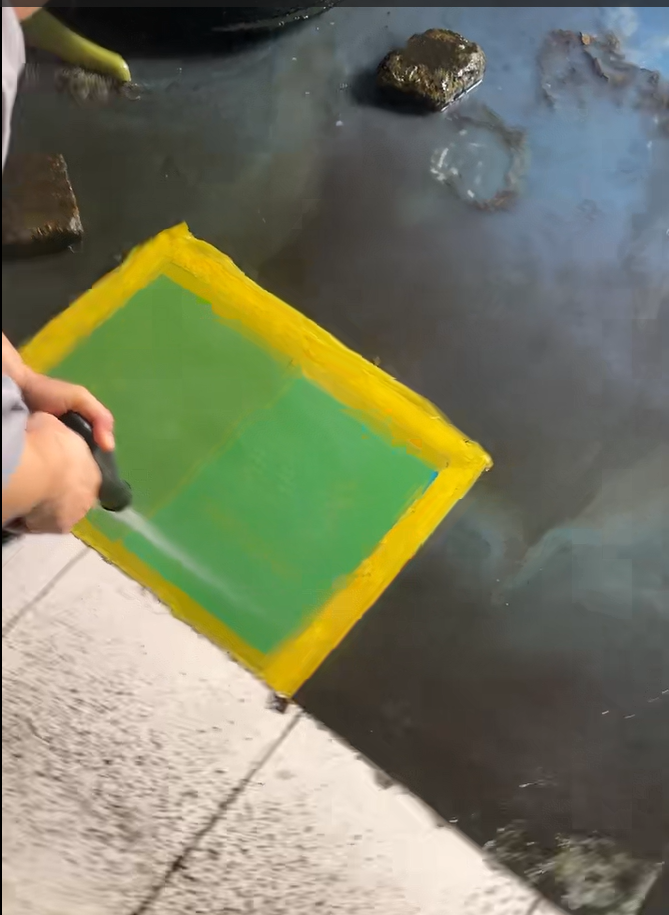
Coated screen ready for exposure, ideal for small-batch custom screen printing
Final Thoughts
Choosing a photo emulsion is not just about finding the product with the longest list of technical specifications.
For T-shirt screen printing, the right choice depends on the artwork, mesh, exposure setup, ink system and production requirements.
This becomes especially important when working with halftones and detailed graphics, where small differences in screen preparation can affect the final print.
For small-batch garment printing, a reliable and repeatable screen-making process can help reduce unnecessary rework and material waste.
If you are looking for a dual cure photo emulsion for T-shirt and garment screen printing, you can learn more about our RS-8080 photo emulsion below.
[View RS-8080 Dual Cure Photo Emulsion →]
For product specifications, samples, OEM options or bulk orders, please contact us.